Belgian Chocolate Making Workshops: The Ultimate Guide
Imagine the scent of melting cocoa wafting through ancient cobblestone streets, a warm, rich aroma that promises something truly special. That is exactly what you get when you dive into a belgian chocolate making workshop. Belgium, a country synonymous with exquisite chocolate, offers an unparalleled opportunity to learn the craft firsthand. This guide will take you through everything you need to know, from understanding why Belgian chocolate is so revered, to choosing the perfect workshop experience in cities like Brussels, Bruges, and Ghent. We will cover what to expect, how to book, and share some practical tips to make your chocolate adventure truly memorable.Book your chocolate making workshop experience:
Why Belgian Chocolate is a World Apart
Belgian chocolate holds a special place in the hearts of connoisseurs everywhere. Its reputation is not just marketing fluff; it is built on a rich history and a fierce dedication to quality. The story really begins in the 19th century, with the invention of the praline by Jean Neuhaus II in 1912. Before that, chocolate was often sold in blocks or as a drink. The praline, a shell of chocolate with a soft, creamy filling, revolutionized the industry. Belgian chocolatiers adhere to strict traditions. They generally use 100% cocoa butter, never vegetable fats, which gives their chocolate that characteristic melt-in-your-mouth texture. The cocoa beans themselves are often carefully sourced, and the grinding process is meticulous, creating incredibly fine particles that contribute to the smooth finish. There are over 2,000 chocolate shops across this small country, each one vying for your attention with unique creations. It is a serious business here, but also a joyful one.What to Expect from a Belgian Chocolate Making Workshop
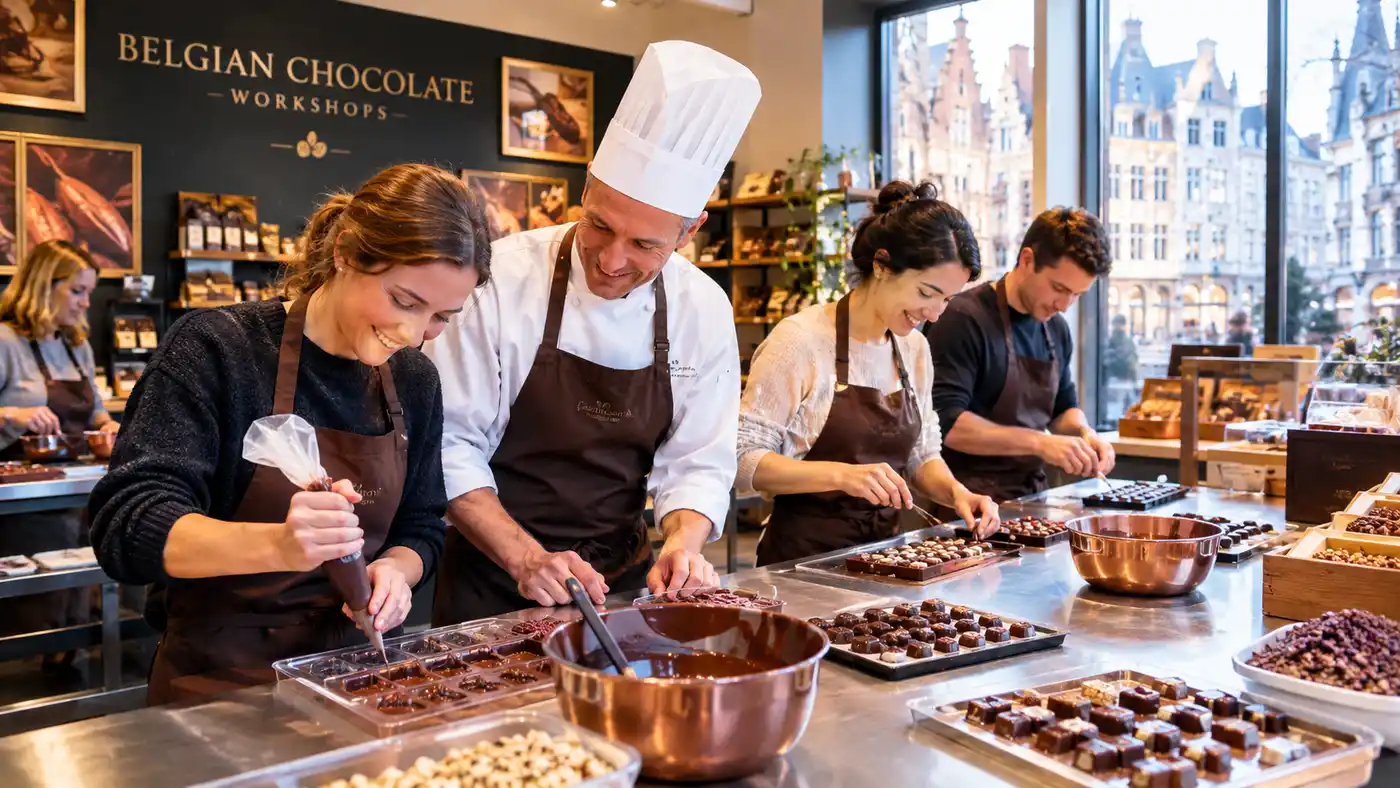
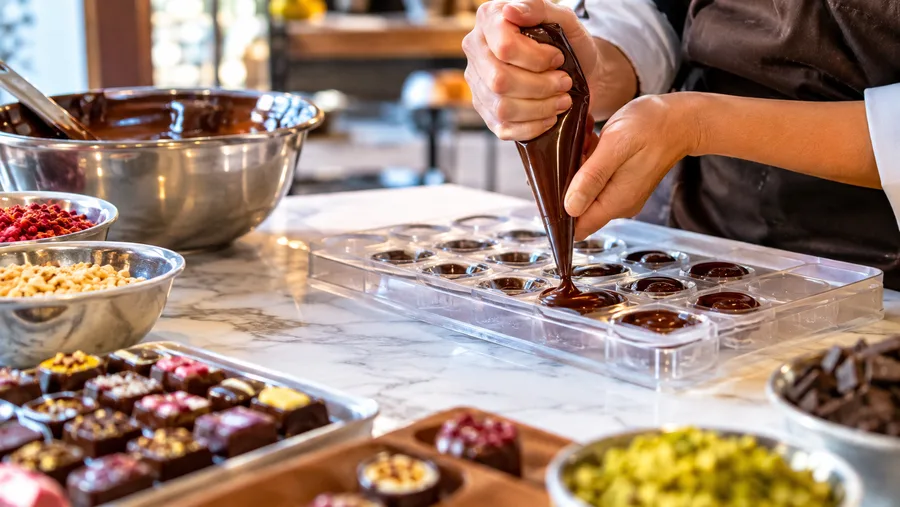
Stepping into a chocolate workshop feels like entering a delicious science lab, but with much more fun involved. You usually start with a brief introduction to the history of Belgian chocolate, maybe a quick tasting of different cocoa percentages. Then, it is time to get your hands dirty, or rather, chocolaty. Most workshops focus on making pralines or truffles, the quintessential Belgian treats. You will learn about tempering chocolate, a critical step that ensures a shiny finish and a satisfying snap when you bite into your creation. This involves carefully heating and cooling the chocolate to stabilize its crystal structure. It sounds complicated, but instructors break it down into manageable steps. After tempering, you might mold chocolate shells, fill them with ganache or caramel, and then cap them off. Some workshops also teach you how to decorate mendiants, those delightful chocolate discs topped with nuts and dried fruit. It is a creative process, honestly, and surprisingly therapeutic.- Hands-on experience: You will mix, mold, and decorate your own chocolates.
- Expert guidance: Chocolatiers share their secrets and techniques.
- Delicious takeaways: You get to bring home all your delicious creations, usually a box weighing around 300-500 grams.
- Tasting sessions: Many workshops include sampling different types of chocolate throughout the process.
Finding Your Perfect Chocolate Making Workshop in Belgium's Cities
Belgium offers chocolate workshops in many of its charming cities, each providing a slightly different flavor of experience. Brussels, as the capital, has the widest selection. Bruges, with its fairytale canals, offers a romantic backdrop. Ghent, a vibrant university city, blends history with a youthful energy. Brussels is probably the most popular choice for a belgian chocolate making workshop. You will find everything from quick, two-hour sessions to more intensive half-day courses. Many are located right in the city center, making them easy to access. I remember one place near Grand Place where the smell was just intoxicating as you walked by. For those planning a trip to the capital, you might find our specific guide, Brussels Chocolate Making Workshops: Your Guide, quite helpful. Bruges, on the other hand, often feels a bit more intimate. The workshops there might be smaller, tucked away in charming old buildings. It is a wonderful option if you are looking for a romantic activity or something a bit more picturesque. We have a dedicated article on Bruges Chocolate Making Workshops: Pralines & Truffles that covers some excellent choices. Ghent also has some fantastic options, often with a slightly more contemporary feel, but still deeply rooted in tradition.Pro tip: Consider the language of instruction. While many workshops are multilingual, especially in popular tourist areas, confirming beforehand avoids any communication hiccups during your chocolate making adventure.
| City | Average Duration | Typical Cost (Euros) | Main Focus | Group Size |
|---|---|---|---|---|
| Brussels | 2.5 - 3 hours | €49 - €75 | Pralines, Truffles | 10-20 people |
| Bruges | 2 - 2.5 hours | €45 - €68 | Pralines, Molding | 8-15 people |
| Ghent | 2.5 - 3 hours | €55 - €80 | Truffles, Decorations | 8-18 people |
| Antwerp | 2 hours | €40 - €65 | Chocolate Bars, Mendiants | 6-12 people |
Book your chocolate making workshop experience:
Choosing the Right Workshop for Your Chocolate Adventure
With so many options, picking the right chocolate making workshop can feel a little overwhelming. Think about what you really want from the experience. Are you traveling with kids? Some workshops are specifically designed for younger participants, making it a fun family activity. If you are looking for something more in-depth, maybe a longer session that delves into more complex techniques would be better. Consider the atmosphere too. Do you prefer a lively, larger group setting where you can chat with other travelers, or a smaller, more intimate class? I always lean towards smaller groups, I think you get more personalized attention that way. Also, check what you get to take home. Most workshops provide a box of your creations, but some might include extra samples or even a small apron. For a broader look at available experiences, you can always explore more options on our main site, dedicated to helping you find the perfect belgian chocolate making workshop.Note: Some premium workshops use single-origin chocolates or focus on specific dietary needs, like vegan or sugar-free options. These might cost a bit more, but offer a unique tailored experience.
Practical Tips for Your Chocolate Making Journey
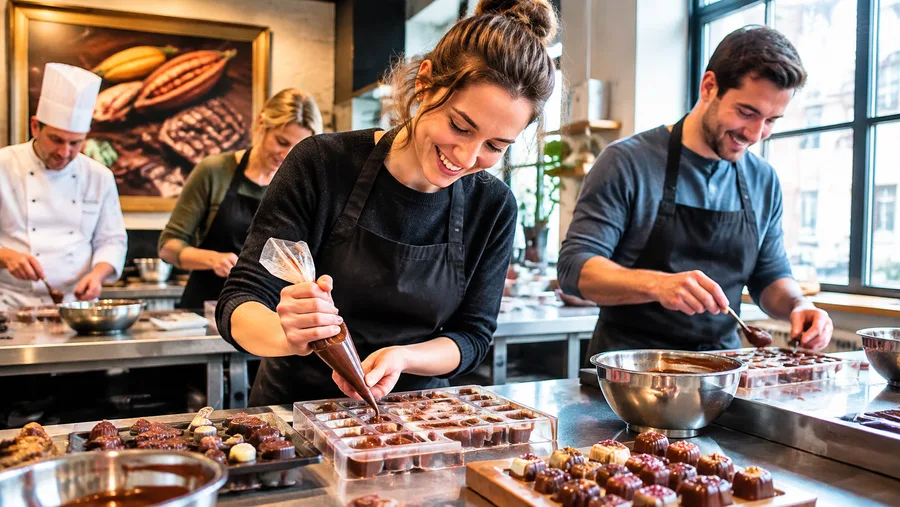
Booking your workshop in advance is honestly a smart move, especially during peak tourist seasons or holidays. Spots fill up quickly, and you do not want to miss out. Most places allow online booking, which makes it super easy. It is also a good idea to arrive a few minutes early to settle in and grab a coffee, if offered. What to wear? Nothing too fancy. You will be working with melted chocolate, so maybe avoid your brand new white shirt. An apron is usually provided, but drips happen. Long hair should be tied back, just like in any kitchen. Also, remember that you will be taking home your handmade chocolates. If you are traveling on a warm day, think about how you will transport them. A small insulated bag might be a good idea to keep them from melting before you get back to your hotel. Most workshops will give you a sturdy box, which helps a lot.- Book early: Secure your spot, especially for popular times.
- Wear comfortable clothes: Something you do not mind getting a little messy.
- Plan for transport: Consider how to keep your chocolates cool on the way home.
- Ask questions: Do not be shy. The chocolatiers love sharing their knowledge.
Frequently Asked Questions about belgian chocolate making workshop
Is a chocolate making workshop suitable for children?
Yes, many workshops are designed to be family-friendly. Some even offer specific "kids' workshops" with simpler tasks and engaging activities for younger participants, often for ages 6 and up.
Do I need any prior experience to join a workshop?
Absolutely not. These workshops are tailored for beginners, so no previous chocolate making experience or special skills are required. The instructors guide you through every step.
How long does a typical workshop usually last?
Most standard chocolate making workshops run for about 2 to 3 hours. This duration allows enough time for an introduction, hands-on creation, and a tasting session.
Quick Reference
- Location: Belgium (Brussels, Bruges, Ghent, Antwerp)
- Duration: 2-3 hours generally
- Cost: €40-€80 per person
- Output: Your own handmade chocolates (300-500g)
- Experience: No prior experience needed
Book your chocolate making workshop experience:
My Take on Belgian Chocolate Workshops
Honestly, taking a chocolate making workshop in Belgium is one of those travel experiences that sticks with you. It is more than just a tourist activity; it is an immersion into a cherished national tradition. You get to appreciate the artistry and skill behind those perfect pralines you see in shop windows. Plus, what is better than eating chocolate you made yourself? It is a delicious souvenir and a fun story to tell when you get home. It is definitely worth the small investment of time and money for such a unique, tasty memory.Read more about chocolate making workshop.